

explore the communication themes
How communication themes work and why leaders use them to reinforce what matters.
Leaders don’t struggle because they lack clarity.
They struggle because important messages don’t stay visible long enough to matter.
Communication themes help leaders reinforce what matters — using visuals, language, and consistency shaped by real leadership experience.
This page gives you a closer look at how themes work and how leaders use them to support the four pillars without overcomplicating communication.
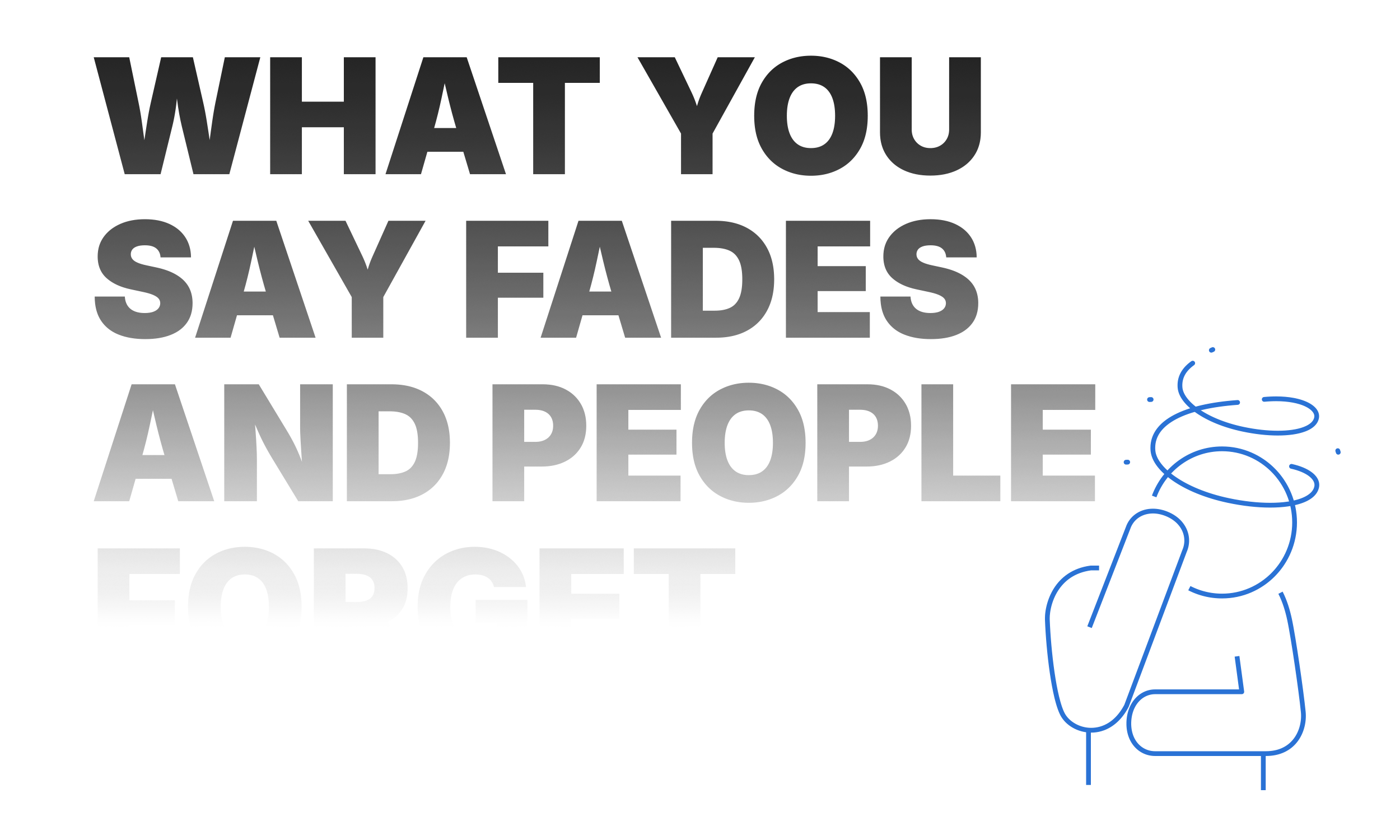
Built from experience. Made to reinforce what matters.
how themes are used in real organizations
Leaders use communication themes to kick off priorities, set expectations, and keep focus over time.
They’re not just scripts, and they don’t replace leadership judgment.
They give important messages a clear starting point — and something leaders can leverage and return to once the work is underway.
Themes are most often used in important ways:
Kick off and set direction
Leaders use themes to start a new year or project, launch priorities, set expectations for behavior, performance, or execution, and clearly signal what matters most.
This is where tone is set — not just stated — and where teams get a shared visual reference point from the beginning.
remind people what’s important
Leaders shape other leaders, culture, performance and operations every day. Give yourself an additional tool set to help your messages hold.
Reinforce without yet another meeting
Leaders also use themes to visually reinforce direction once work is underway — keeping priorities, expectations, and focus visible without repeating themselves or escalating communication.
Some themes run for a defined period.
Others stay in place and quietly do their job.
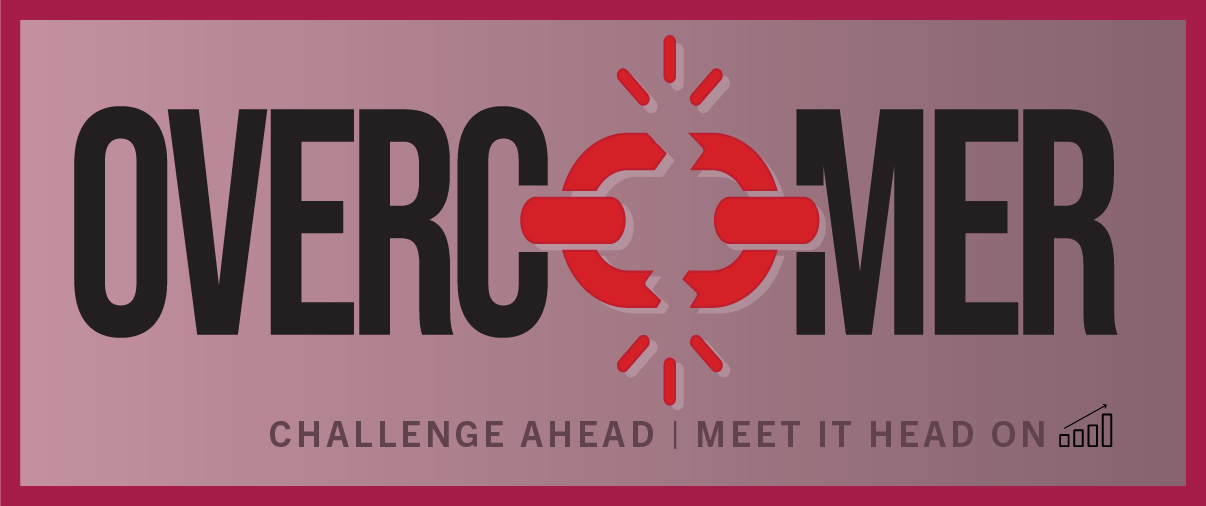
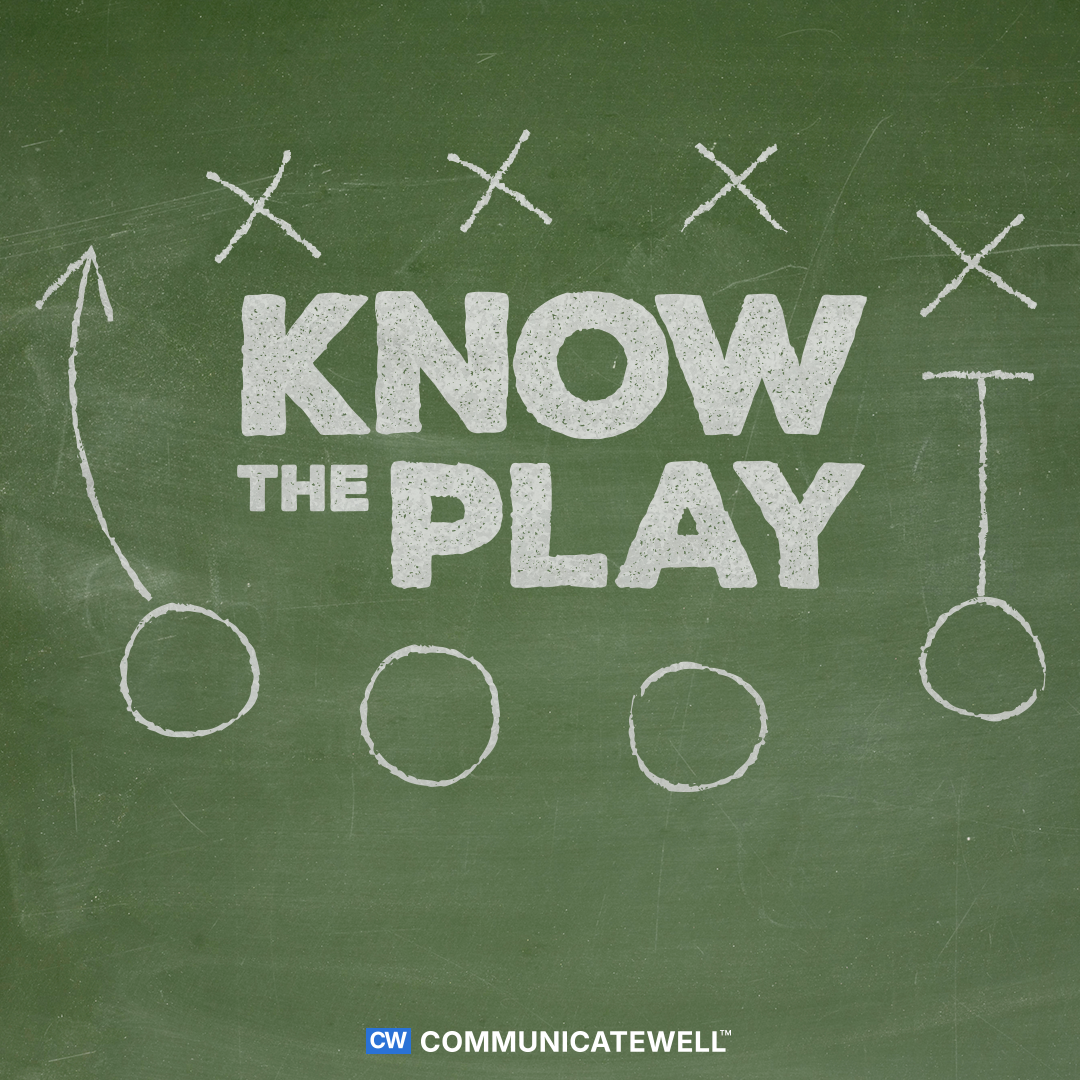
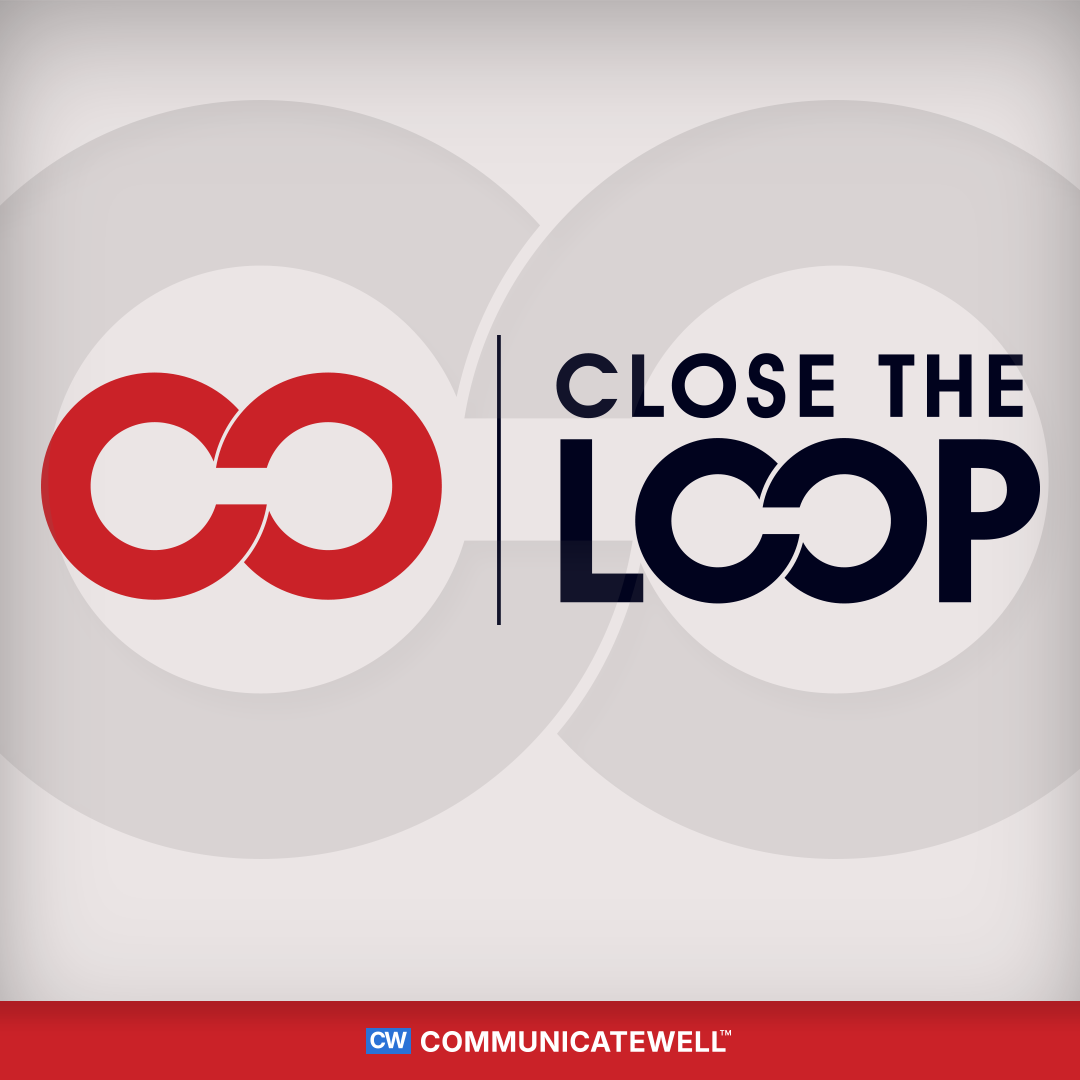

Set the direction. Reinforce it well.

what’s included in a theme
Each theme includes a curated set of tools designed to reinforce the message without adding friction.
Depending on the theme, that may include:
A PDF Playbook on how to use and implement the theme.
Logos tied to the message
Posters, banners, or internal visuals ready-to-print
Microsoft Teams or Slack-ready messages
Short talking prompts leaders can adapt
Email or announcement templates
Nothing is included by accident.
Everything serves a purpose.

PDF Playbook
Logos
PowerPoint
Deck

11x17 poster (ready-to-print)

Backgrounds
for your content

2x4 banner
(ready-to-print)
Teams/
Slack Messages
tools. ready to use.
themes help important messages hold.
Leaders already communicate constantly.
Themes help those messages stay visible, recognizable, and intact supporting leadership, culture, performance, and operations over time.
Explore a theme and see how it’s designed to work.